BOOK APPOINTMENT
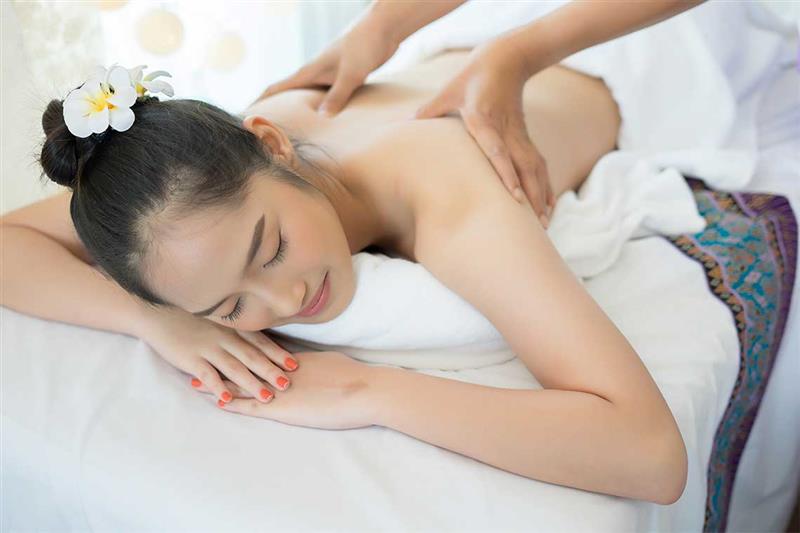
Pain that lasts can make each day harder. It can appear in your neck, back, or legs—anywhere stress or old injuries settle in. When pills and creams don’t help, your body may need something older and wiser. That’s where traditional healing massage comes in.
This kind of massage doesn’t just rub the surface. It presses, kneads, and stretches deep where the pain hides. Many people in Singapore now seek out tuina massage therapists because these treatments offer real change without relying on medicine.
When skilled touch meets deep knowledge, relief reaches beyond the muscles. You don’t just feel better—you move better, rest better, and think more clearly.
Tuina (pronounced “twee-nah”) means “push and grasp” in Chinese. It combines hands-on techniques with ancient healing wisdom. Unlike gentle spa massages, Tuina digs, rolls, and guides your body back into balance.
Therapists focus on energy paths called meridians. They find tight spots where the flow is blocked these blockages cause pain. When released, you feel lighter and freer.
That’s why many choose tuina massage in Singapore clinics not just for temporary relief, but to reset their whole body and support natural healing from the inside out.
Some pain lingers, settling deep in your joints and muscles. Simple rubbing won’t shift it. Pain like this often comes from habits slouching, lifting incorrectly, or sitting too long. That’s why Chinese therapeutic massage works deeper.
This massage doesn’t guess. It targets, shifts, and realigns tight muscles and slow blood flow. Every movement awakens your nerves. Every stretch releases what’s stuck.
You might not feel better after just one session. But over time, your body remembers how to move without pain. Patience brings lasting relief as touch replaces tension.
Pain relief is only part of the story. Traditional healing massage brings other gifts to your body.
This isn’t just about sore backs. Tuina touches many body systems at once. That’s why it’s used not just for pain, but also for sleep, stress, and general balance.
Better movement and deeper rest together build a healthier life. Tuina helps restore this balance one muscle at a time.
Here’s a quick guide showing what tuina does for different body parts.
|
Where It Hurts |
What the Therapist Does |
What Might Happen |
|
Lower Back |
Rolling, kneading |
Muscles loosen, warmth returns |
|
Neck and Shoulders |
Pressing, grasping |
Tightness melts away |
|
Knees and Joints |
Rotating, stretching |
Movement feels smoother |
|
Arms and Wrists |
Pushing, rubbing |
Nerves calm, swelling lowers |
|
Feet and Ankles |
Point pressure |
Tingling eases, legs feel lighter |
Therapists always adjust how they treat you based on what your body shows. No two sessions feel the same, and that’s what makes it so useful.
In Chinese medicine, pain grows when energy called Qi can’t flow right. When Qi stalls, your body reacts with aches or swelling. Chinese therapeutic massage works to stir that energy again.
Hands-on touch awakens sleepy parts of your body. It clears blockages like cleaning leaves from a pipe. Once Qi moves, healing begins.
This is why many people say they feel better not only during the session, but also days after. When flow returns, so does strength.
When you visit a tuina clinic, the therapist won’t start right away. First, they listen. They’ll ask where it hurts, how long it’s been there, and how you move each day.
Then, you’ll either lie down or sit up, depending on the area that needs attention. The therapist uses palms, fingers, elbows—even knuckles—to press, rub, and stretch.
Some parts might feel sore, but never sharp. That means your muscles are responding and changing. You might feel some soreness later, like after exercise. This is your body healing and adapting as the pressure is released.
Tuina suits many people. If you hurt from work, sports, sitting too much, or sleeping wrong, this massage might help.
You can try natural pain relief methods like tuina if you:
Tuina isn’t for everyone. Skip it if you have broken bones, skin infections, or blood problems. Always check with a doctor if you’re unsure. When in doubt, ask first and move forward with care.
Massage helps, but your daily choices also matter. What you do after a session helps your body hold the progress.
These steps extend the healing started on the massage table. A few small actions can help the good effects last longer.
Old tools still fit modern lives. Even in busy cities like Singapore, more people now turn to ancient care. Clinics that offer tuina massage, Singapore residents trust now blend tradition with clean, modern settings.
That means you can get ancient relief—no incense or robes needed. Just steady hands, real knowledge, and a simple room where healing happens. These places make old wisdom feel safe, close, and easy to access.
You don’t need to go every day. But for ongoing pain, a routine helps your body change gently over time.
Let your therapist know how you feel after each visit. They’ll know how to shift the next session to fit you better.
Those who trust natural pain relief methods often make massage a regular part of staying well, not just fixing problems. It becomes part of how they care for their health.
Pain tells us something’s wrong. Instead of pushing through or ignoring it, we can choose to listen. And when we do, healing often comes in old, trusted ways.
Traditional healing massage gives your body what it may have forgotten—balance, flow, and ease. It doesn’t fight pain; it guides it out. It teaches your body how to heal itself.
Chinese therapeutic massage opens pathways that might have stayed blocked for years. Through tuina massage centres, this ancient care finds a place in today’s world.
And the best part? It all begins with a single touch.
Quick Links
Address
Blk1,#02-55 Tanjong Pagar plaza Singapore 082001
MON- SUN : 10AM - 9PM
Call Us
Location
 Operating Hours: 10:00am-9:00pm daily including public holidays.