BOOK APPOINTMENT
Muscle swelling can cause more than just pain; it can also make everyday tasks more challenging. Problems such as a stiff neck, a painful back, and aching legs after work can drain your energy and affect your ability to focus. While painkillers may provide relief, they do not address the underlying cause and generally offer only temporary results. As a result, many people are exploring natural approaches that may help relieve discomfort while supporting the body’s recovery process.
In the guide below, we discuss how we manage muscle inflammation with a TCM approach that aims to provide gentle care. It includes why you should choose a natural treatment for muscle inflammation, how TCM tackles muscle inflammation, and simple habits that support muscle health.
Muscle inflammation can develop when tissue becomes irritated or injured due to overuse, poor posture, physical injury, or prolonged stress. Reduced blood flow to the affected area may contribute to muscle tightness and discomfort. When these issues persist, pain and swelling can sometimes continue for weeks. Identifying the possible triggers of your discomfort can help you take appropriate steps to manage it.
Common triggers include:
TCM views the body as an interconnected system rather than treating each area separately. Instead of focusing solely on the painful area, a practitioner considers your overall health pattern, including factors such as sleep, diet, and stress levels. This provides a broader understanding of what may be contributing to the inflammation. With this approach, TCM for muscle inflammation focuses on possible contributing factors rather than addressing the discomfort alone.
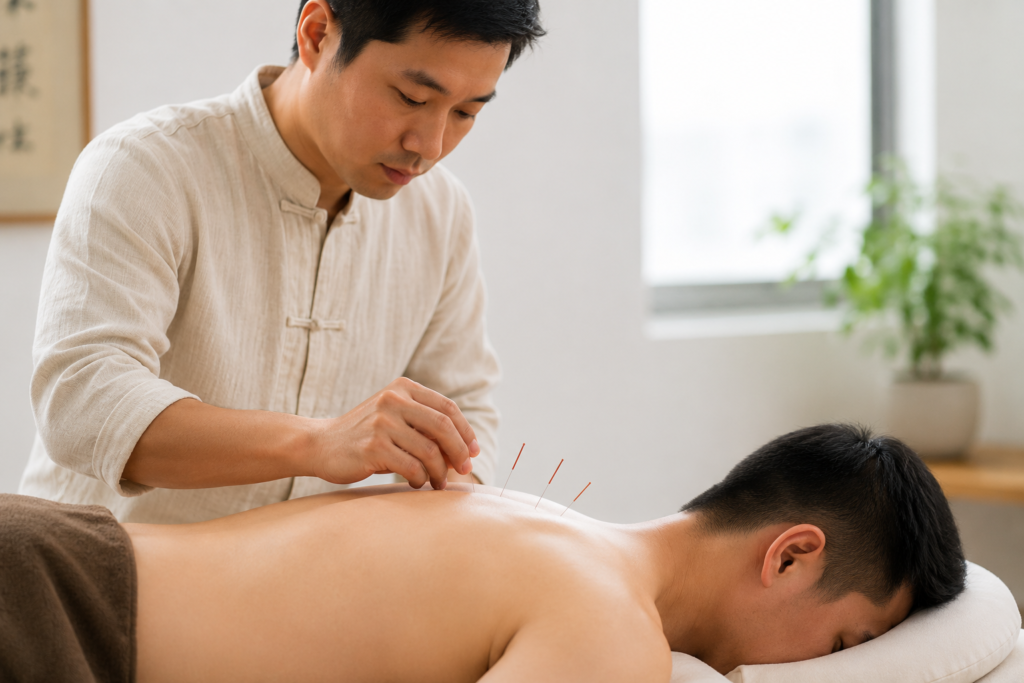
Acupuncture may help relieve muscle soreness and discomfort. This treatment uses thin needles placed at specific points to help relax tense muscles, support circulation, and reduce swelling in the affected area.
After two or three visits, some patients may experience reduced pain and a greater sense of relaxation in their muscles. Regular sessions may support continued improvement and help manage ongoing discomfort.
Benefits people may notice include:
Cupping uses suction cups to draw blood towards the skin in areas that feel tight or sore. It may help loosen tense tissue and promote circulation around the affected muscles.
Many people choose cupping for a stiff back, tight shoulders, or tired legs after exercise as part of their recovery routine. It may also be combined with other suitable TCM treatments to support overall muscle recovery.
TCM herbs are selected according to an individual’s health pattern, which may involve factors such as cold, heat, or dampness. Rather than relying on a generic mixture, a practitioner may prepare a formula based on your specific needs. The table below highlights herbs commonly used in TCM and their traditional uses.
| Herb | Traditional Use |
| Turmeric | Supports healthy circulation and eases joint discomfort |
| Safflower | Promotes blood circulation and eases stiffness |
| Chinese Angelica Root | Traditionally supports blood nourishment and muscle recovery |
| Ginger | Warms the body and supports healthy circulation |
Tui Na uses various hand techniques, including pressing, kneading, and stretching, to work on areas of muscle tension and support flexibility. This hands-on approach can be adjusted according to your condition, comfort level, and areas of tightness. When appropriate, it can also be combined with other suitable therapies recommended by your practitioner.
This TCM for muscle inflammation technique may be a useful option for muscle tension, particularly when discomfort feels deeper within the tissue rather than close to the surface.
Many people choose TCM because it takes a holistic approach that considers potential contributing factors rather than simply masking symptoms with medication. These therapies can be tailored to your individual needs and may support the body’s natural recovery processes.
This approach may help manage recurring discomfort while reducing reliance on long-term medication. A qualified practitioner can assess your condition and recommend suitable care based on your individual health needs.
Reasons people choose this approach include:
A few daily habits can help support healthy muscles and recovery between treatment sessions. These small, practical changes can complement TCM therapies and encourage better muscle recovery. Adjusting your daily routine may also help reduce how often discomfort returns.
A treatment for muscle inflammation may help ease discomfort and support your return to normal movement. When combined with suitable daily habits and appropriate care, it may help you manage muscle tension and maintain mobility. TCM takes a holistic approach by considering more than the immediate area of discomfort, allowing practitioners to develop care that is suited to your individual needs. Speak with a qualified practitioner to discuss a suitable treatment plan and take the first step towards more comfortable movement today.
Some people may notice looser muscles and less soreness within three to five visits, although individual responses can vary considerably. Results differ from person to person depending on how long the discomfort has been present and how your body responds to treatment.
Yes, cupping can leave round marks on the skin that typically fade within a few days to a week. These marks are a common effect of cupping and generally disappear naturally as the skin recovers.
Yes. Many practitioners combine acupuncture with herbal formulas as part of a personalised TCM approach. Your practitioner can assess whether combining these treatments is suitable based on your needs and overall health.
Tui Na can feel firm, particularly when the practitioner works on tight areas, but it should not cause sharp pain. A skilled practitioner can adjust the pressure according to your comfort level while addressing areas of tension.
Weekly sessions may be suitable for some people during the initial weeks of treatment. As your muscles become more comfortable, your practitioner may recommend less frequent visits, together with simple routines that you can continue at home.
Quick Links
Address
Blk1,#02-55 Tanjong Pagar plaza Singapore 082001
MON- SUN : 10AM - 9PM
Call Us
Location
 Operating Hours: 10:00am-9:00pm daily including public holidays.